We are so excited to be honoring our 30th Anniversary with the NNCC (Un)Gala Legacy of Care. For 30 years, the National Nurse-Led Care Consortium (NNCC) has advanced nurse-led care to improve the health of people everywhere.
Since its inception in 1996, NNCC has provided policy advocacy, support and consultation to nurse innovators working on the cutting edge of nursing practice. NNCC was initially founded as a regional organization of nurse-managed health clinics, led by a group of visionary nurses who provided community-based primary and preventive healthcare to low-income and vulnerable people in Philadelphia and the surrounding region.
From these humble beginnings, we began to build a national movement for nurse-led care. Nurses are the most trusted profession in the United States because their training gives nurses the tools to care for the whole patient, prevent problems before they arise, and deliver high-quality, affordable care to the people who need it most.
Through the work of our organization and our partners, nurse-led care is now recognized as critical to the delivery of primary and preventive care in the United States. Health, business, academic and policy leaders are beginning to recognize what nurses have always known: nurses’ clinical and care coordination skills, combined with their holistic, patient-centered approach, make them especially well-suited to lead value-focused initiatives that are based on evidence and responsive to community needs.
At NNCC, our mission is to advance nurse-led healthcare through policy, consultation, and programs to reduce health disparities and meet people’s primary care and wellness needs.
Take some time to read through the big, and small, moments that have made up the past 30 years of nurse-led care, and how we're looking to the future.


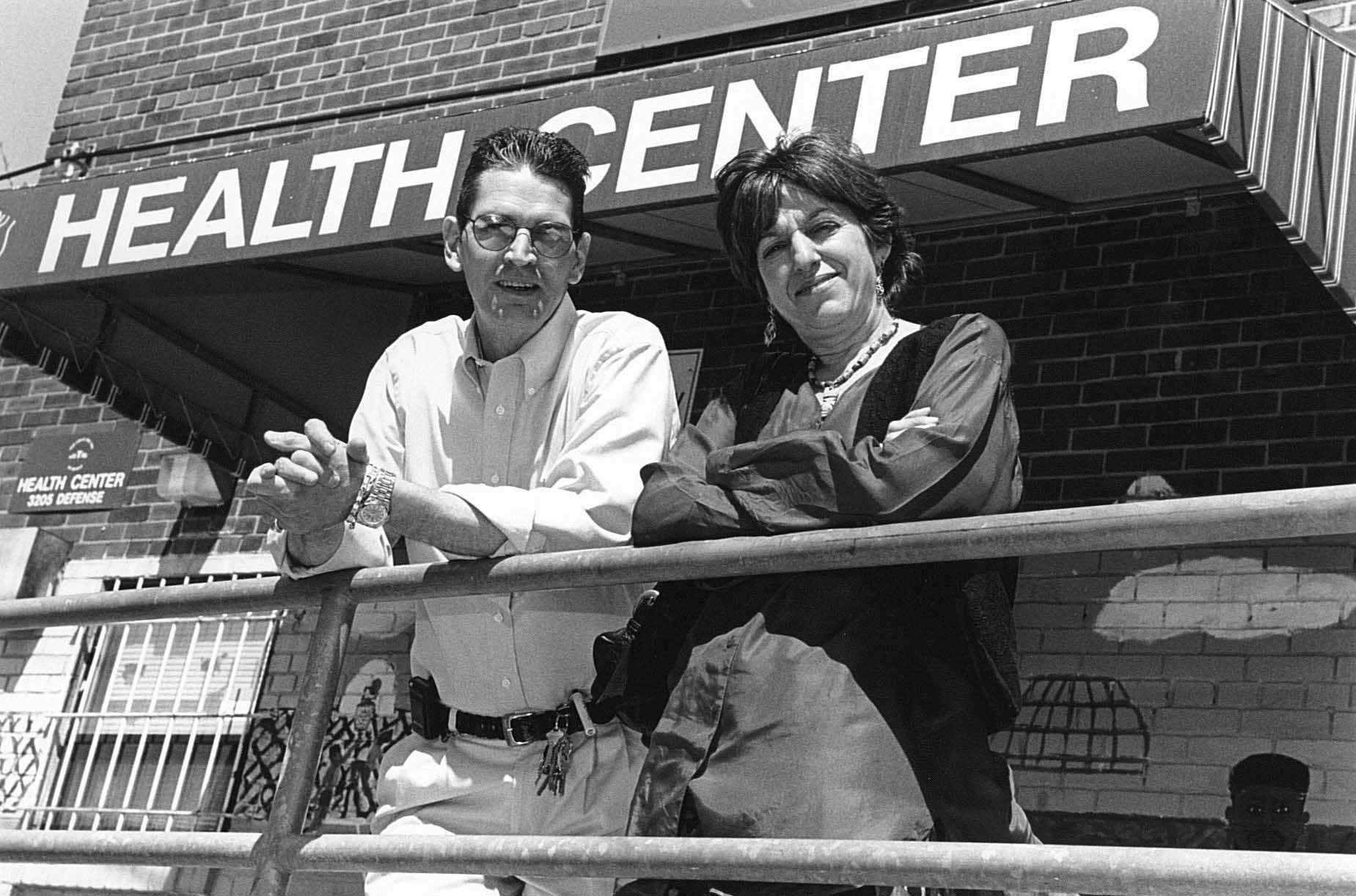
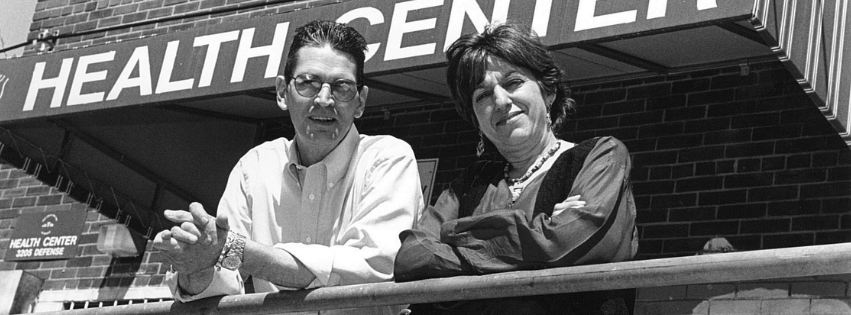
In 1991, nurse practitioner Donna Torrisi worked with the Abbottsford Homes Tenant Management Corporation to envision a health center in public housing. Rather than a traditional physician-led practice, they imagined a nurse-managed clinic grounded in a shared belief that care begins with listening. As community members and nursing leaders embraced that vision, efforts to bring it to life gained momentum.
Community leaders, like Dorothy Harrell, who helmed the Tenant Management Corporation at the time, was a fierce champion of the idea. Donna's vision and Dorothy's belief that nurses would truly partner with residents, listen to the needs, and respond to their priorities, rather than arrive with prescriptive solutions, laid the foundation for everything that followed.

With the support of the Tenant Management Corporation and other nursing and community leaders, Donna and Sue Heckrotte helped translate that vision into a federal grant proposal. In 1991, the Health Resources and Services Administration (HRSA) announced a competitive funding opportunity under a new statute. With Sue taking on a large part of writing the proposal, the team applied for HRSA’s funding. Only seven grants were awarded nationwide for the 1991–1992 cycle, and Abbottsford was among them. In 1992, Abbottsford Falls Health Center opened its doors, providing care for adults and children.
This nurse-led model of care was a first of its kind. As word spread about Abbottsford and its services, other communities saw an opportunity to bring this approach to more Philadelphia neighborhoods. Its success showed what could happen when nursing expertise and community leadership shaped care together.
Read more about the next phase of nurse-managed care.
Join our 50/50 raffle, and contribute to NNCC’s next moments in history.

The success of Abbottsford Falls Health Center showed what was possible when nurses and the communities they served partnered to shape care together. When Judge Phyllis W. Beck and other Independence Foundation leaders visited Abbottsford, they saw an opportunity to bring that same approach to more Philadelphia neighborhoods and expand access to care.
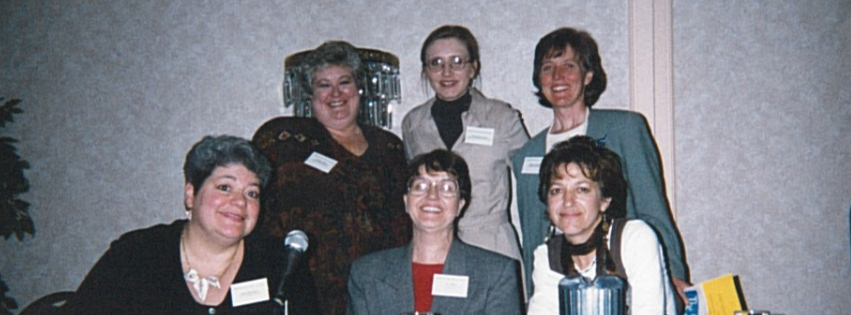
Under then-President Susan Sherman, the foundation endowed four Independence Foundation Chairs in Nursing to help prepare nursing students and faculty to provide community-based, nurse-led care. The chairs were represented by four local nursing leaders from different schools. Kay Kinsey held the chair at La Salle University, Nancy Rothman at Temple University, Elaine Tagliareni at Community College of Philadelphia, and Lois Evans at the University of Pennsylvania.
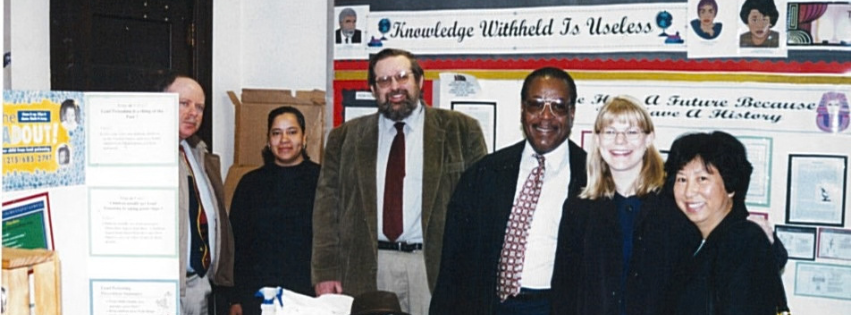
The Independence Foundation also invested in the clinics themselves. It brought leaders from schools of nursing and the nurse-managed centers together to learn from one another. The foundation also supported efforts to evaluate how well the clinics served their communities. By investing in both nursing education and the centers where nurses practiced, the Independence Foundation helped extend the work that began at Abbottsford.
In 1996, the Independence Foundation deepened its support for nurse-managed care by funding the newly formed Regional Nursing Centers Consortium (RNCC), which would later become the National Nurse-Led Care Consortium. RNCC gave nurse-managed health centers and nursing leaders a place to turn for practical guidance as they strengthened their clinics and expanded what nurses could do in community-based care. To lead the new consortium, Susan Sherman recruited Tine Hansen-Turton. Sherman was looking for someone who understood policy, advocacy, and business and had a fresh, unencumbered view of how nurse-led care could grow, and Tine brought all that to RNCC’s Regional Director role.
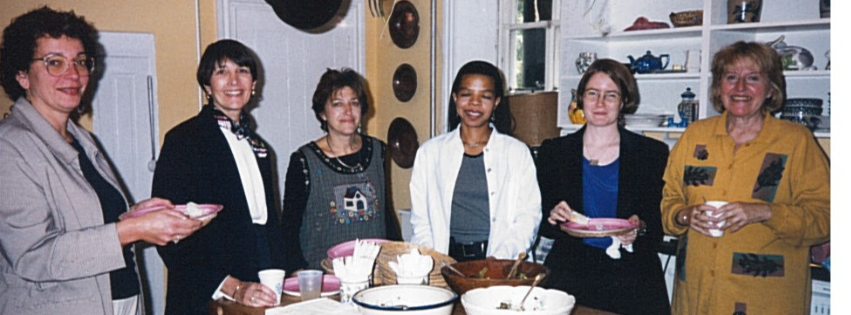
As more nurse-led clinics opened and insurance requirements, Medicaid policies, and funding opportunities continued to evolve, so did the RNCC. At the same time, nurses working in the clinics and community leaders helped shape RNCC’s growing advocacy agenda. They saw firsthand what made it harder for patients to get care and shared ideas for addressing those barriers. RNCC advocacy efforts ranged from city-focused preventative programs tackling lead and asthma to influencing state and national policy discussions recognizing nurse-managed clinics and the role of advanced practice nurses in expanding access to care.
In 2001, the City of Philadelphia was looking at what kind of maternal health models could impact their population. Learn how the nurse-managed clinics led to the adoption of Nurse-Family Partnership in Philadelphia here.
Want to be a part of NNCC’s history? Your donation to the 50/50 raffle today can impact NNCC’s programs tomorrow. Donate here.


As the Regional Nursing Centers Consortium (RNCC) grew, Pennsylvania was looking for ways to improve health outcomes for families. One promising model was Nurse-Family Partnership (NFP), which began in the 1970s and partnered nurses with first-time parents facing social and economic barriers. NFP Nurses visit families throughout pregnancy and until their child turns two. Randomized controlled trials led by Dr. David Olds demonstrated lasting benefits for mothers and children, and in 1999, three Pennsylvania sites began offering NFP services.
When additional funding became available, Kay Kinsey, one of the Independence Foundation’s four Nursing Chairs, led a grant proposal that drew on the experience of local nurse-managed clinics and their leaders. The proposal made the case that these partners were well positioned to bring NFP to Philadelphia families. The grant was awarded in 2001, and the team launched Nurse-Family Partnership services across four sites.

At the same time, RNCC’s work was reaching beyond Philadelphia. The consortium had built a network across Pennsylvania, New Jersey, and Delaware while advocating for nurse-managed centers and for nurses to practice to the full extent of their training and licensure. As interest in the network grew across the country, RNCC became the National Nursing Centers Consortium (NNCC). In 2002, NNCC joined Public Health Management Corporation (PHMC) as a subsidiary to help sustain its work. It continued partnering with nurse-managed clinics, nursing leaders, and communities on programs such as Healthy Homes for Child Care and Lead Safe Babies.
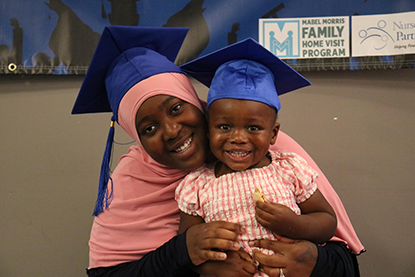
In 2010, the Affordable Care Act opened new opportunities to expand home visiting. Kay Kinsey again took the lead on a funding proposal, this time to extend support for NFP families who wanted to continue receiving home visits after their children turned two. That effort led to the Mabel Morris Family Home Visit Program, named after a Philadelphia public health nurse and fierce advocate. The program gave families a way to continue receiving home visiting support beyond their time with NFP.

The Affordable Care Act also opened new opportunities for more investments in nursing. Learn how those opportunities helped shape NNCC’s early workforce development programs here.
Want to be a part of NNCC’s history? Your donation to the 50/50 raffle today can impact NNCC’s programs tomorrow. Donate here.