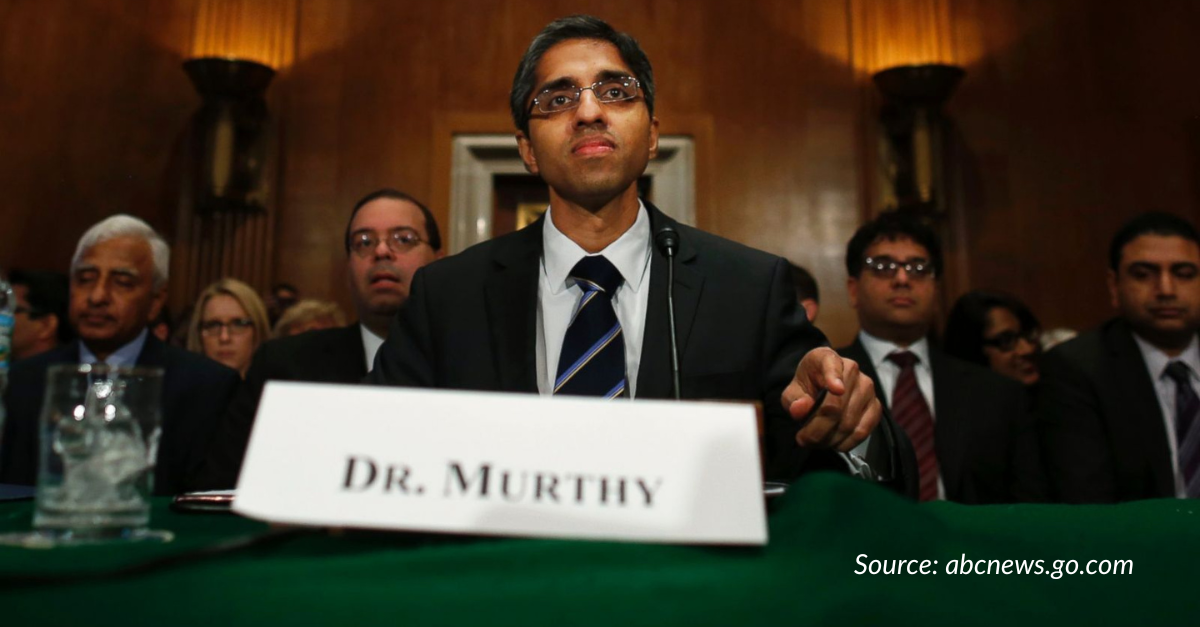
Did you know that over half of US adults report that either they, or a family member, have experienced a firearm-related incident? And that US gun deaths have hit their highest levels in decades, according to AP News. It’s stark data like this that has led the US Surgeon General Dr. Vivek Murthy to declare firearm violence to be a public health emergency yesterday, June 25, 2024.
This declaration moves the conversation of firearms from a largely political and legislative conversation to one of public health, encompassing the impact guns have not only on one person’s health but also the health of schools, workplaces, healthcare settings, communities, and other spaces where people regularly gather and feel safe. The US Surgeon General Advisory’s Firearm Violence: A Public Health Crisis in America reported that an increase in firearm exposure threatens the sense of well-being for an entire community.
Medical groups like the American Nurses Association have commended the US Surgeon General for taking this vital step toward addressing firearms as a public health crisis, recognizing that as frontline providers both in the clinical setting and in the community, nurses are directly impacted by gun violence. NNCC’s nurse home visitors have direct experience in the communities deeply touched by gun violence and reflect on the different ways it touches their clients and their lives. This is why we stand beside these providers in applauding the Surgeon General for declaring firearm violence as a public health emergency.
LATEST NEWS
27 June 2024
Social Determinants of Health
Did you know that over half of US adults report that either they, or a family member, have experienced a...
30 August 2021
Public Health Nursing
The National Nurse-Led Care Consortium (NNCC) recently created four new Senior Director roles to advance...
STAY CONNECTED TO NURSE-LED CARE