This podcast and blog post is presented by the National Nurse-led Care Consortium (NNCC) and describes the unique needs of residents of public housing, underserved racial and ethnic communities, and other special and vulnerable populations and the role community health centers can play in addressing healing and trauma recovery. The below blog post will detail the examples presented in the podcast and provide additional resources for health centers.
In this episode, our speakers deliver a topical conversation about the impact of chronic stress on personal and community health. Chronic stress refers to constant overwhelming and pressured feelings over a long period. Chronic stress can manifest from poverty, traumatic events, and environmental and interpersonal triggers. Chronic stress can impact individuals and communities.
Both speakers share best practices in treating those with chronic stress; below is a highlight of some of the guiding principles mentioned during the podcast episode.
Relationship building
Building trust is essential in gaining and strengthening a relationship with the community. It is very important to bring people into the community to find common ground, collaborate and bring resources that better serve the health and daily lives of the residents. Observing the strengths and assets of the community will have helped to give a foundation for the relationship with the community. It is also vital to ask what areas need the most support and not just assume what the problems are.
At an individual level, Jeneen shares strategies to get to know a person and build a bedside relationship. This can be as simple as asking questions such as “Are you okay?” “Who are you as a person?” and “What brings you joy?” We ask participants questions with many repetitions of telling the story of why they came in to seek care. Showing genuine compassion and care opens the door for a person to become more comfortable and feel seen. It makes a difference when health professionals see the person, not just the explicit medical reason.
Listen at 8:21 to hear how Uzuri’s community is collaborating with the San Francisco police to strengthen the relationship between the two.
Meeting people where they are
Uzuri reminds us in this episode that we live in a melting pot, and meeting people where they are is indispensable and recognizes we all come from different walks of life, whether it’s a background of addiction, housing instability, or coming out of the hospital. It is key to remove implicit bias and actively listen to people to meet their needs best.
Jeneen shares the COACH model made in partnership with the CHOP PolicyLab. This model has been implemented to identify a person’s strengths to help people get from where they are to where they want to be, which can include to better relationships with healthcare providers, connections to transportation, housing and benefits, to name a few, This sets patients up to successfully navigate barriers and advance their health and well-being.
Listen at 14:38 to hear the details and action steps of the COACH model.
Workforce
The workforce and hiring process relates back to relationship building. It is necessary to have the right people working within the community, including culturally competent individuals and those who practice trauma-informed care. The workforce should be willing and able to support people every step of the way, from combating barriers and navigating insurance to finding the correct clinician. In this episode, both speakers highlight the resistance one can have in seeking and accepting care. This can be due to past experiences, fear of being retraumatized, or it simply being an overwhelming experience for them. Professionals should meet people with genuine compassion and be there for the patient when they are ready to accept care.
Listen at 25:00 to hear Jeneen share the hiring process that her organization uses to ensure the right people are in the field.
Fix it mentality
The “fix it mentality” puts community members at a deficit. This happens when people outside the community don’t build relationships, collaborate with the community, and ask what support is needed. Working with the community and observing what they are experiencing helps to get a clearer picture of these communities with complex social needs and stressors.. Finally, When working in a community outside your own, it is vital to avoid assumptions about individual and community needs.
Poverty Pimps
Similarly, Uzuri also speaks about “poverty pimps” in resource desert areas and their negative impact on the community by coming in, getting their numbers, and leaving.
Uzuri Pease-Greene is the Executive Director of the Community Awareness Resource Entity (C.A.R.E.) in San Francisco, a nonprofit organization founded in San Francisco public housing by Uzuri’s husband. C.A.R.E. has since evolved as an organization that serves residents of public housing and various communities. As Uzuri explains in the episode, C.A.R.E. prides itself on building the communication bridge between community members and law enforcement. At C.A.R.E., staff works to connect people with additional resources by collaborating with local organizations to help better the lives of the community.
Jeneen Skinner works in Camden, New Jersey, and is the Senior Clinical Manager for care management initiatives for the Camden Coalition of Healthcare Providers. Camden Coalition is a multidisciplinary nonprofit organization in Camden, New Jersey, working to improve care for people with complex health and social needs by implementing person-centered programs and piloting new models that address chronic issues and social barriers to overall health and well-being in Camden and nationally.
To learn more about the issues discussed in this episode, check out a related training webinar available online: Chronic Stress, Housing, and Health: Patient Experiences and Strategies for Comprehensive Care
----------
Support for this episode comes from the Health Resources and Services Administration (or HRSA) of the U.S. Department of Health and Human Services (HHS). It is part of an award totaling $550,000 with zero percentage financed with non-governmental sources. The contents of this podcast are those of the author(s) and do not necessarily represent the official views of, nor an endorsement, by HRSA, HHS, or the U.S. Government.
This podcast and blog post is presented by the National Nurse-led Care Consortium (NNCC) and describes the unique needs of residents of public housing, underserved racial and ethnic communities, and other special and vulnerable populations and the role community health centers can play in addressing healing and trauma recovery. The below blog post will detail the examples presented in the podcast and provide additional resources for health centers.
In this episode, our speakers deliver a meaningful and powerful discussion about community violence and its manifestation. Our speakers remind us that no one is innately violent, but cycles of trauma within communities and unhealed historical agony generate violence within communities. These generational traumas and systemic issues, such as poverty and poor living conditions, stratify vulnerabilities manifesting to violence. The four main contributing factors to community violence include societal, individual, community, and relationships. Community violence can reveal itself in various ways, such as firearm violence, gang activity, and bullying. America’s youth and young adults are disproportionately impacted by violence in their communities, including firearm injuries and death. Community violence can produce adverse childhood experiences, post-traumatic stress disorder, and chronic stress.
During the podcast, Wayne challenges listeners to reflect on the root of community violence and how it’s a continuing cycle. Wayne leads us into a discussion of family dynamics, home life, and the impact home visiting has on getting a clearer picture of one’s life. As a way to overcome and intervene in unhealed generational trauma, mentorship provides opportunities for family healing. While recognizing that it is hard to be vulnerable and ask for help, it is important to note that not doing so enables the cycle of violence to continue. Cycles of violence contribute to heightened fears of feeling unsafe, causing individuals to feel like they are in constant “survival mode” and a fight or flight state. Being in a constant fight or flight state has paramount health impacts such as prolonged elevated stress hormones in the body, sleep deprivation, high blood pressure, and increased risk for cardiovascular diseases. Community violence also prevents families and children from utilizing community recreational areas, walking, and biking and hinders community growth.
Community violence can be addressed by community leaders working collaboratively with community residents impacted by violence for prevention efforts. Speakers Cheryl and Wayne share the power of mentorship and empowerment with young people. Our speakers encouraged mentees to know their history, voting processes, and their overall role in society. Health centers should focus on whole-person care for holistic healing, concentrating on health's mental, physical, and social aspects. Health centers can utilize health navigators to liaise between patients and healing services. To heal those most impacted by community violence often requires therapy which includes connecting clients to social services, including getting an ID, finding a job, etc., to access the needed therapy.
While recognizing burnout proceeding from violence, it is important to note the impact this has on the workforce's health. This serves as a reminder that community violence is essentially a universal trauma. Wayne spotlights the significance of the healer getting healed for the sustainability of their practice. Cheryl highlights cultural competency training as an ongoing requirement for professionals and not a one-time thing. Society and communities are constantly evolving, so the need to understand the population they serve is continuously changing. Understanding the community and its determinants is vital, and it is best to avoid making assumptions; this is where partnerships with community organizations can come in for additional support. Finally, Cheryl reminds us that as time goes on, community violence starts at younger ages and stresses the importance of working with schools to address these issues.
Listen at 27:10 for strategies to mitigate trauma as a health professional.
Listen at 36:05, where Wayne shares what can go wrong when the healer does not take care of themself.
Listen at 39:00 to hear Cheryl and Wayne talk about ways their organizations build a culture in response to burnout.
Based in Philadelphia, Pennsylvania, Cheryl Seay is the Program Manager for the Center for Community Health Workers at Penn Medicine at Home and is the Founder of the Jarell Christopher Seay Love and Laughter Foundation; a nonprofit focused on addressing gun violence and community health.
Based in Oakland, California, Wayne Clark is a Health Navigator at Roots Community Health Center, Inc. He is also the Founder and Executive Director at Oakland Impact Center, which provides innovative counseling, mentoring, skill building, violence prevention training, and more.
For more information on treating those suffering from chronic stress stemming from community violence, check out our podcast episode, How Compassion and Relationships Reduce Chronic Stress.
The University of Illinois at Chicago’s Department of Psychiatry shares best practices for treating those suffering from community violence. Each practice coincides with each factor that contributes to community violence.
----------
Support for this episode comes from the Health Resources and Services Administration (or HRSA) of the U.S. Department of Health and Human Services (HHS). It is part of an award totaling $550,000 with zero percentage financed with non-governmental sources. The contents of this podcast are those of the author(s) and do not necessarily represent the official views of, nor an endorsement, by HRSA, HHS, or the U.S. Government.
This podcast and blog post is presented by the National Nurse-led Care Consortium (NNCC) and describes the unique needs of residents of public housing, underserved racial and ethnic communities, and other special and vulnerable populations and the role community health centers can play in addressing healing and trauma recovery. The below blog post will detail the examples presented in the podcast and provide additional resources for health centers. We speak to Jen Lee from the Association of Asian Pacific Community Health Organization (AAPCHO) and Cecilia Sigrah from Kosrae Community Health Center, located in Kosrae, an island in the Federated States of Micronesia, about the rollout of their Pacific Islander Diabetes Prevention Program (PI-DPP) – now entering its fifth year. Interviewed by Jillian Bird, Director of Training and Technical Assistance at the National Nurse-Led Care Consortium, Jen and Cecilia talk about PI-DPP and the outcomes of providing a tailored prevention program to the communities they serve
In this episode, our guests describe the diabetes health landscape specific to Pacific Islanders, detail what inspired the creation of PI-DPP, and how it is constantly evolving. Jen walks us through what specifically led to this tailored diabetes prevention program for Pacific Islanders, with the most pressing concern being the rates of diabetes in PI communities. These significant rates of diabetes led to the declaration of a state of emergency in Kosrae. Most interventions mainly focused on management, with a considerable disparity in the prevention of diabetes. People were being diagnosed with diabetes at alarming rates and forced to manage this illness, while primary prevention efforts to lower rates were scarce.
Cecilia highlights the challenges and barriers the PI community faces, attributing to increased diabetes rates, the lack of diabetes management, and the need for more prevention efforts. She explains that the people of Kosrae are employed mainly in sedentary occupations and have difficulty making and attending annual check-ups and meeting the recommended fruit and vegetable intake. Many have been reluctant to make lifestyle changes, believing they will inevitably develop diabetes if a family member has been previously diagnosed. Diabetes prevention programs can debunk these myths and combat family-patterned behaviors to break these cycles.
The PI-DPP started in 2017 in an effort for more equitable diabetes prevention. Jen shares that the Association of Asian Pacific Community Health Organization (AAPCHO) and the Pacific Islander Center of Primary Care Excellence created this program, considering cultural sensitivity at the organizational and systemic levels. In this regard, cultural sensitivity encompasses competence and awareness in serving communities where they are, working with communities on the ground, and tailoring programs to reflect the people being served. Tailoring programs include using relevant language resources, including the food and diet of the specific region and any culturally responsive images being shown during the program.
Lifestyle coaches are trained for capacity building by incorporating new data and innovative ways of delivering the program. In creating and evolving this program, AAPCHO continues to rely on partnerships and connections to understand how to best approach this specific framework, the workforce initiative, and sustaining the infrastructure. AAPCHO consults with the Centers for Disease Control and Prevention (CDC) when making changes based on feedback from coaches and member organizations of the PI-DPP as the program evolves.
Listen at 25:00 to hear Cecilia share examples of partnerships for sustainability.
Jen and Cecilia speak on the family-centered approach to the program that engages the next generation. PI-DPP classes are open to the whole family, where the family members can function as a support system. Jen emphasizes the benefits of the family-centered approach and advocates for its use in future interventions. The family-centered approach not only creates a strong support system but raises more awareness of diabetes prevention and management and helps to hold family members accountable to specific diet and exercise standards. If the whole family is involved in the lifestyle change, it may be easier for those at risk for diabetes to change since they are not doing it alone.
Cecilia shares some of the changes over the past five years among individuals in the program and at a community level. Program participants have seen weight loss and improved blood pressure and cholesterol levels at the individual level. These changes are helping to prevent diabetes while also assisting those who make the necessary lifestyle changes to mitigate risk. More residents are starting to recognize the program at the community level and are getting involved.
Listen from 20:00 to 22:15. Cecilia tells a patient success story
Jen Lee is based in Atlanta, Georgia, and is the Deputy Director for the Association of Asian Pacific Community Health Organizations (AAPCHO). Jen has worked in the health center space for about 22 years, starting as a community health worker in one of the AAPCHO member centers. It was during this role that informed perspectives on delivering tailored community-informed care.
AAPCHO was formed in 1987 by community health centers primarily serving medically underserved Asian Americans, Native Hawaiians, and Pacific Islanders. AAPCHO is committed to advocacy, collaboration, and leadership to improve the health of Asian Americans, Native Hawaiians, and Pacific Islanders within the United States, its territories, and freely associated states. About 31 community health center members under AAPCHO serve Asian Americans, Native Hawaiians, and Pacific Islanders in the community health center program. AAPCHO has four focus areas: health equity and access, training and capacity building, health care quality and innovation, and COVID-19.
Cecilia Sigrah is based in Kosrae, an island in the Federated States of Micronesia, and is the Operations Manager, Coordinator, and Lifestyle Coach for the Kosrae Community Health Center. Cecilia comes from a nutritional background and has worked in healthcare for more than 15 years. Cecilia has worked on program planning and implementation of lifestyle change programs.
Kosrae Community Health Center has three community health centers serving the whole population of Kosrae. The mission is to improve the health of the residents of Kosrae by providing affordable access to comprehensive primary care services. Kosrae Community Health Center focuses on patient-initiated visits and cost-effective activities, including preventative care. Patients have access to medical, dental, behavioral health, and enabling services at each health center site.
Both organizations have worked closely together over the last five years as part of the rollout of the Pacific Islander Diabetes Prevention Program (PI-DPP).
Pacific Islander Diabetes Prevention Program Website: https://pacificislanderdpp.org/
Accessibility tips from the episode:
----------
Support for this episode comes from the Health Resources and Services Administration (or HRSA) of the U.S. Department of Health and Human Services (HHS). It is part of an award totaling $550,000 with zero percentage financed with non-governmental sources. The contents of this podcast are those of the author(s) and do not necessarily represent the official views of, nor an endorsement, by HRSA, HHS, or the U.S. Government.
Since the beginning of the COVID-19 stay-at-home order, Philadelphia residents have been afflicted with higher rates of drug overdoses, a worsening opioid epidemic, and the spread of infectious diseases. Particularly within North Philadelphia and West Philadelphia, there was a significant increase in the prevalence of substance use disorder and drug overdoses during the pandemic, particularly among Black and Latinx Philadelphians. Substance use disorders (SUD) are heavily correlated with the social determinants of health which prevents persons who inject drugs (PWID) from receiving care. Similarly, the positive correlation between SUD and viral hepatitis causes numerous barriers to care due to ineffective resource allocation along with social, behavioral, and environmental factors.
To mitigate the ramifications of this on COVID-19 and viral hepatitis infectious disease outbreaks, the National Nurse-Led Care Consortium (NNCC) Viral Hepatitis Team implemented a pilot nursing clinical rotation program in partnership with Philadelphia Hepatitis Outreach Project (PHOP) and associated organization, Rock Wellness Ministries. Our partnership with the Community College of Philadelphia (CCP) Nursing Program allowed for the hand selection of nursing students to be placed with PHOP and Rock Wellness to provide much needed community outreach services to high-risk community members in the Kensington area. Through this project evaluation we determined the two rounds of clinical rotations to be a huge success for the students, program administrators, and the community.
With this opportunity, nursing students have direct, hands-on experience to provide viral hepatitis outreach to community members, engaging them from a trauma-informed, compassionate lens. Students have the opportunity to expand outreach to community members, offer vital signs and screenings, provide health care resources and referrals, and link participants to HCV rapid tests.
NNCC’s partnership with CCP, PHOP, and Rock Wellness will continue and provide an opportunity to replicate the clinical rotation program with other nursing programs. Program administrators and stakeholders have shared a similar excitement about the project. One Preceptor commented, "We are so happy the rotation at Rock Wellness went so well for the first 6 weeks...the students raved about their experience." Another shared similar thoughts, saying they had "a wonderful experience" with the students who joined the summer rotation.
The exposure nursing students receive when they’re providing direct services to a population of people who use drugs allows them to provide a meaningful trauma-informed, harm reduction approach to care. As we move toward expanding upon the clinical rotation program, our goal is to not only provide nursing students with a meaningful experience, but to also use lessons learned and best practices to provide quality improvement measures to better serve high-risk communities in the Philadelphia area.
You can read the full project evaluation below:

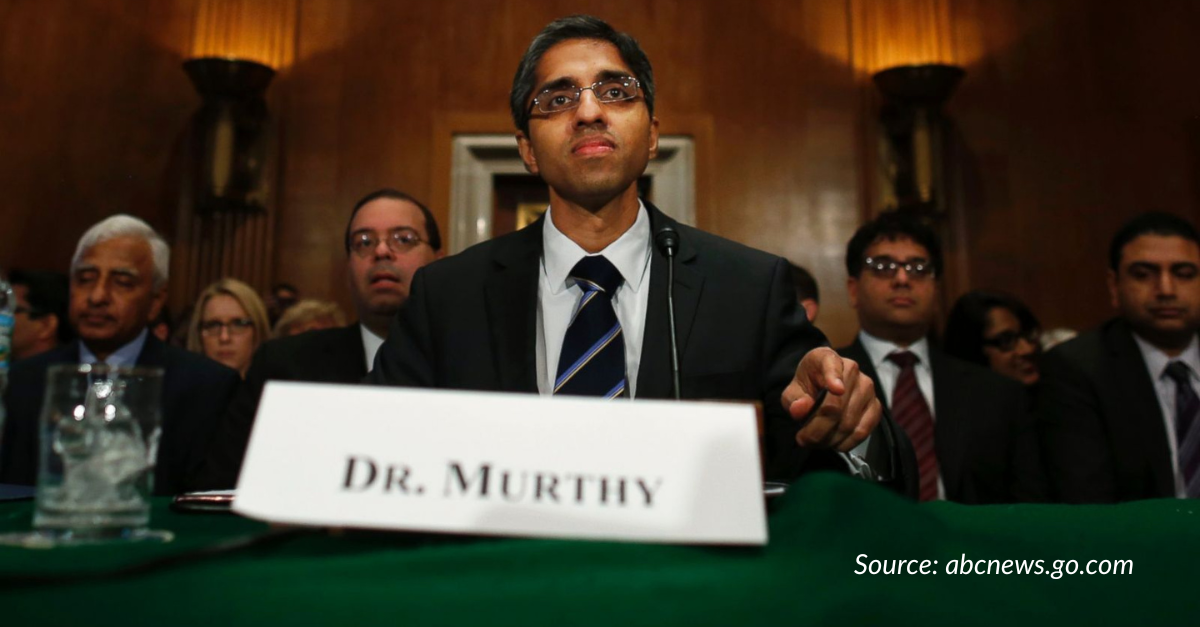
Did you know that over half of US adults report that either they, or a family member, have experienced a firearm-related incident? And that US gun deaths have hit their highest levels in decades, according to AP News. It’s stark data like this that has led the US Surgeon General Dr. Vivek Murthy to declare firearm violence to be a public health emergency yesterday, June 25, 2024.
This declaration moves the conversation of firearms from a largely political and legislative conversation to one of public health, encompassing the impact guns have not only on one person’s health but also the health of schools, workplaces, healthcare settings, communities, and other spaces where people regularly gather and feel safe. The US Surgeon General Advisory’s Firearm Violence: A Public Health Crisis in America reported that an increase in firearm exposure threatens the sense of well-being for an entire community.
Medical groups like the American Nurses Association have commended the US Surgeon General for taking this vital step toward addressing firearms as a public health crisis, recognizing that as frontline providers both in the clinical setting and in the community, nurses are directly impacted by gun violence. NNCC’s nurse home visitors have direct experience in the communities deeply touched by gun violence and reflect on the different ways it touches their clients and their lives. This is why we stand beside these providers in applauding the Surgeon General for declaring firearm violence as a public health emergency.