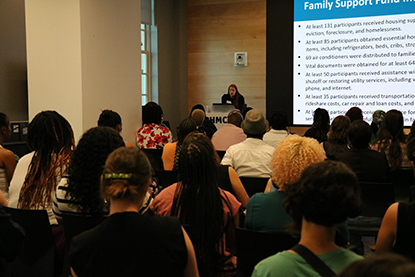
On March 6, NNCC hosted the Second Annual Philly SPROUT Summit: Every Little Mind Matters (ELMM), a full-day training focused on strengthening cross-sector collaboration to support the infant and early childhood mental health (IECMH) workforce. The event brought together professionals in early childhood education, child welfare, early intervention, home visiting, mental and behavioral health, and related sectors for professional development, resource sharing, and learning about best practices for supporting families across diverse sectors.

2026's summit featured a morning keynote, an interdisciplinary panel, an informal networking lunch with colleagues from the IECMH workforce; and a presentation by Sandhyaa Iyengar, MD, MPH, and Evelyn Brooks Ridgeway, Ph.D., In Her Shoes: Striving to Understand Neurodiversity in Young Girls.
Learn More About the Philly SPROUT Program

A step in the right direction! Earlier this week, the PA House passed House Bill 916. This legislation, sponsored by Rep. Jose Giral (D-Phila), mandates insurance-covered blood lead tests for pregnant people and children at both 12 and 24 months of age. It amends the 2022 Childhood Blood Lead Test Act, which merely recommends lead testing for these groups unless they are deemed high risk, and does not require insurance to help cover the costs.
The goal of early detection is to minimize exposure and prevent lead poisoning. According to Giral, “lead poisoning in children can lead to developmental delays, seizures, and nervous system damage. During pregnancy, lead poisoning raises the risk of miscarriage and can expose the developing baby to lead, leading to premature birth, underdeveloped organs, low birth weight, and future learning and developmental issues.”
Many people don’t show any signs or symptoms of lead exposure before lead poisoning, but no amount of exposure is safe for children, which is why early detection is so critical. This bill now goes to the Senate for consideration.

NNCC Executive Director Sarah Hexem was one of 19 honorees across 13 categories for the Philadelphia Business Journal's inaugural Healthcare Leadership Awards. Take a look at the interview from the Philadelphia Business Journal below, and you can read the article here.
Community Champion
Sarah Hexem’s work as managing director of community health services for Public Health Management Corp. centers around one goal: Ensuring that every person in Greater Philadelphia regardless of income, insurance status or ZIP code has access to high-quality, patient-centered care. Hexem oversees the Community Health Services portfolio, which includes PHMC Health, Health Promotion Services and two PHMC subsidiaries. Through PHMC’s network Hexem and her team provide care to 20,000 adults and children, regardless of their ability to pay. While navigating an environment of federal uncertainty and shifting priorities at the local and state levels, Hexem worked to mitigate the impact on frontline staff and vulnerable communities, who often bear the brunt of funding disruptions. During her time with PHMC, she has led the organization from annual revenue of $8 million to more than $18 million, expanding both its reach and capacity to care for the community.
Originally from: Devon
A word that best describes me: Collaborative
Education: B.A., Pomona College; J.D., Temple University
What drew me to healthcare: In law school, I wanted to advance social justice through public interest law and advocacy. I found the potential for systems level impact in the healthcare space, specifically within public health and community nursing. Finding ways to help people live their healthiest lives strengthens communities in ways that reach far beyond physical health and healthcare.
My most significant career accomplishment so far: Helping stabilize programming at PHMC's Public Health Campus on Cedar. The opportunity to bridge health and social services, bolster academic-practice-community partnerships, and invest in programs like medical respite has been an inspiring and critically important project that I get to support alongside HUP, CHOP, Penn Dental, and the Visiting Nurses.
What excites me about my field right now: Organizations are working more collaboratively in the current economic/political environment. Institutions that have historically competed are finding ways to align services and build capacity that can support the larger healthcare ecosystem.
How I’d describe my leadership style: I aim to be a transformational leader. I seek to optimize my colleagues' strengths and deeply value the perspective that diverse teams offer. I also challenge others to explore different options while retaining focus on shared vision, mission and values.
My advice to young or aspiring healthcare professionals and leaders: There are many "right" choices. Your decisions will shape your career, but you get to choose the narrative that ties them all together. There isn't one path to follow.
Favorite hobbies: Barre and parenting three strong-willed boys.
Favorite Philadelphia-area restaurant: Talula's Garden.
A healthy habit I have: Early bedtime.
A bucket list item: Writing young adult historical fiction.
Something I can’t do my job without: My colleagues.

We are so excited to be honoring our 30th Anniversary with the NNCC (Un)Gala Legacy of Care. For 30 years, the National Nurse-Led Care Consortium (NNCC) has advanced nurse-led care to improve the health of people everywhere.
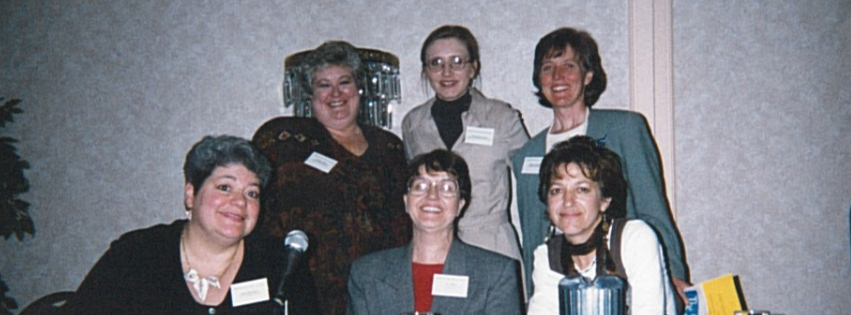
Since its inception in 1996, NNCC has provided policy advocacy, support and consultation to nurse innovators working on the cutting edge of nursing practice. NNCC was initially founded as a regional organization of nurse-managed health clinics, led by a group of visionary nurses who provided community-based primary and preventive healthcare to low-income and vulnerable people in Philadelphia and the surrounding region.
From these humble beginnings, we began to build a national movement for nurse-led care. Nurses are the most trusted profession in the United States because their training gives nurses the tools to care for the whole patient, prevent problems before they arise, and deliver high-quality, affordable care to the people who need it most.
Through the work of our organization and our partners, nurse-led care is now recognized as critical to the delivery of primary and preventive care in the United States. Health, business, academic and policy leaders are beginning to recognize what nurses have always known: nurses’ clinical and care coordination skills, combined with their holistic, patient-centered approach, make them especially well-suited to lead value-focused initiatives that are based on evidence and responsive to community needs.
At NNCC, our mission is to advance nurse-led healthcare through policy, consultation, and programs to reduce health disparities and meet people’s primary care and wellness needs.
Take some time to read through the big, and small, moments that have made up the past 30 years of nurse-led care, and how we're looking to the future.


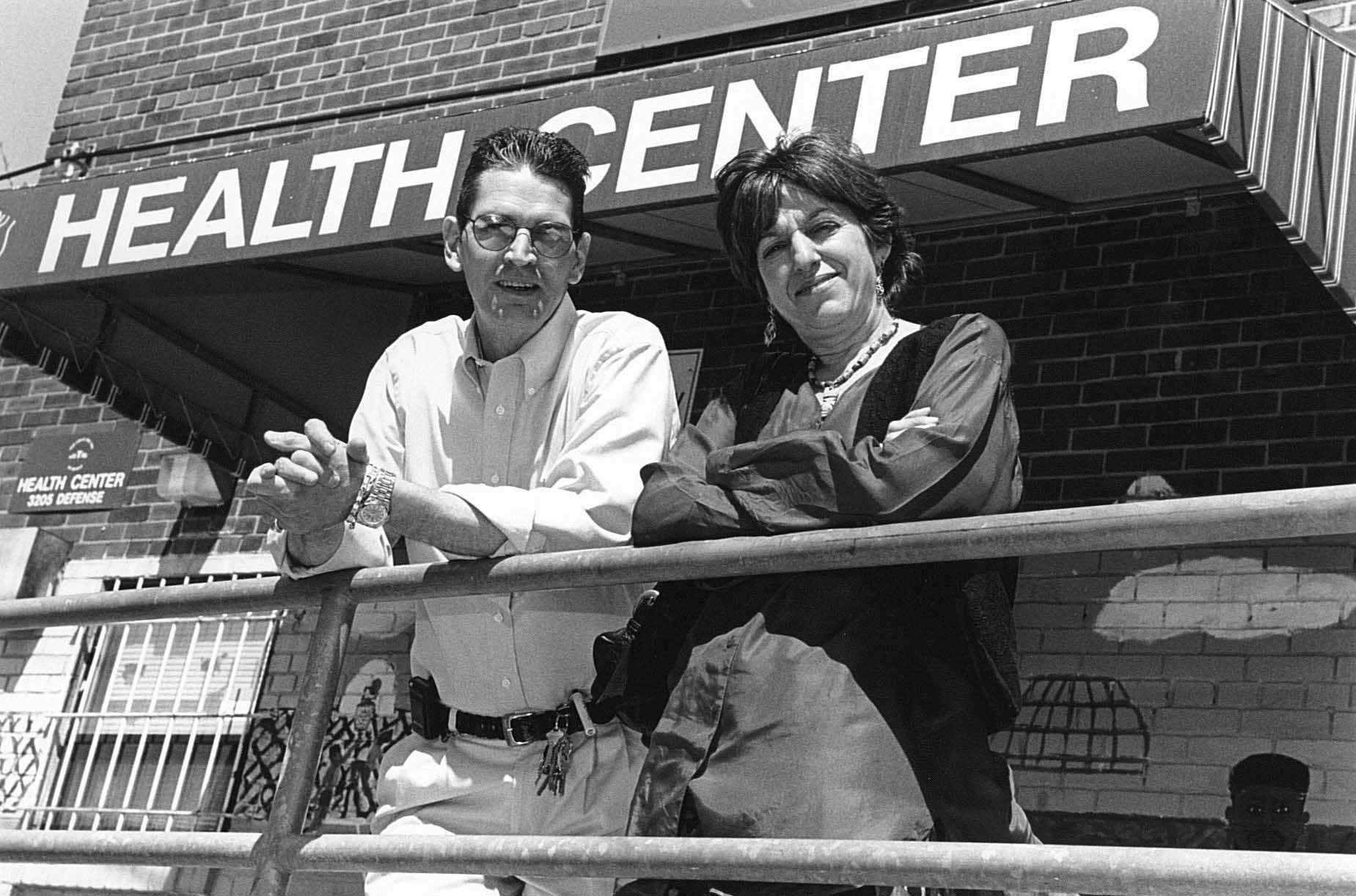
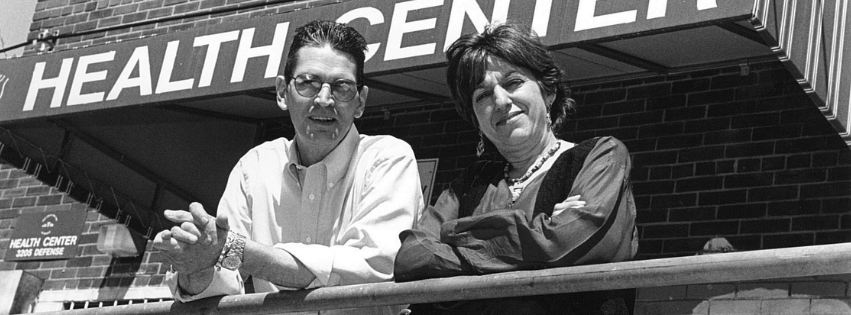
In 1991, nurse practitioner Donna Torrisi worked with the Abbottsford Homes Tenant Management Corporation to envision a health center in public housing. Rather than a traditional physician-led practice, they imagined a nurse-managed clinic grounded in a shared belief that care begins with listening. As community members and nursing leaders embraced that vision, efforts to bring it to life gained momentum.
Community leaders, like Dorothy Harrell, who helmed the Tenant Management Corporation at the time, was a fierce champion of the idea. Donna's vision and Dorothy's belief that nurses would truly partner with residents, listen to the needs, and respond to their priorities, rather than arrive with prescriptive solutions, laid the foundation for everything that followed.

With the support of the Tenant Management Corporation and other nursing and community leaders, Donna and Sue Heckrotte helped translate that vision into a federal grant proposal. In 1991, the Health Resources and Services Administration (HRSA) announced a competitive funding opportunity under a new statute. With Sue taking on a large part of writing the proposal, the team applied for HRSA’s funding. Only seven grants were awarded nationwide for the 1991–1992 cycle, and Abbottsford was among them. In 1992, Abbottsford Falls Health Center opened its doors, providing care for adults and children.
This nurse-led model of care was a first of its kind. As word spread about Abbottsford and its services, other communities saw an opportunity to bring this approach to more Philadelphia neighborhoods. Its success showed what could happen when nursing expertise and community leadership shaped care together.
Read more about the next phase of nurse-managed care.
Join our 50/50 raffle, and contribute to NNCC’s next moments in history.