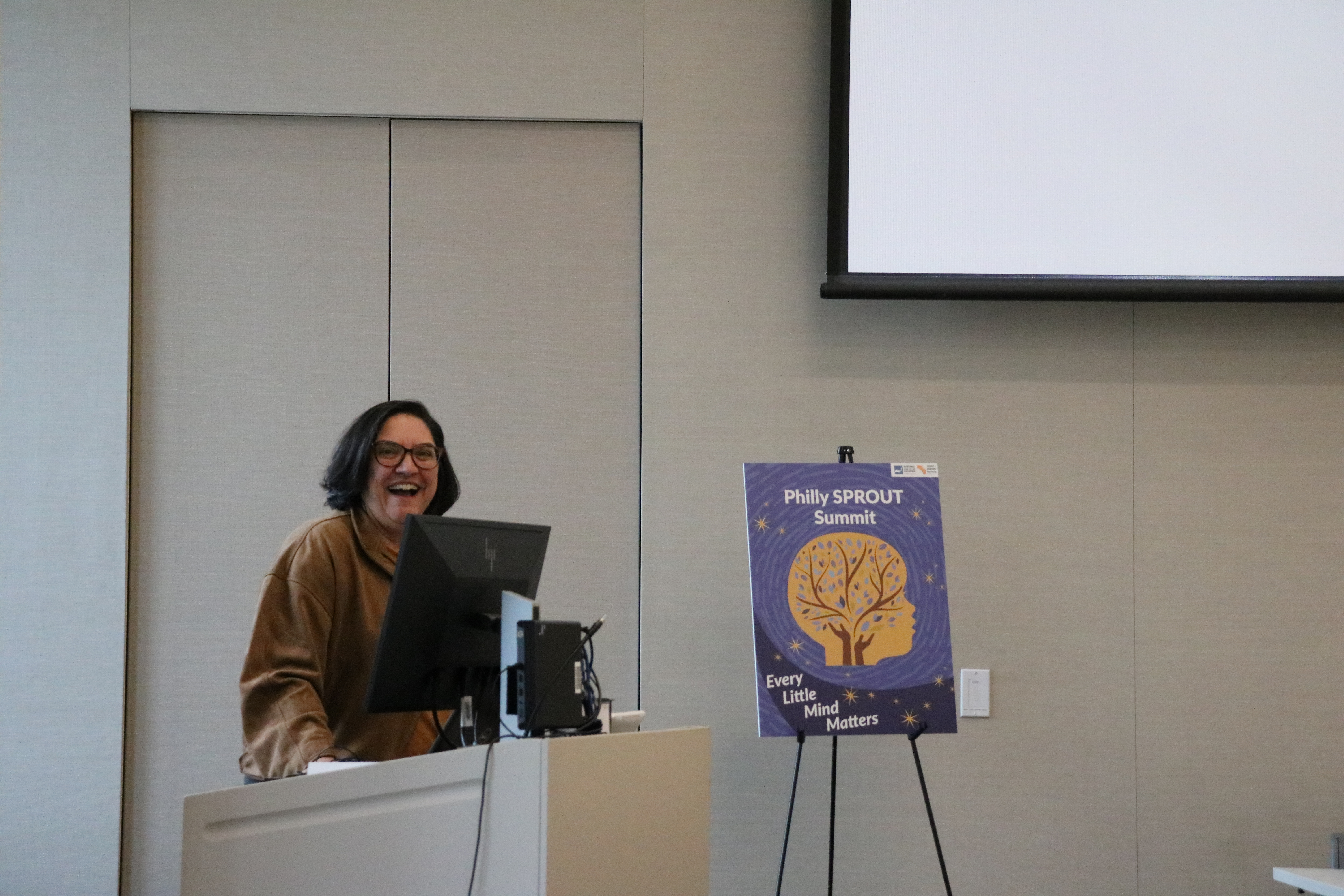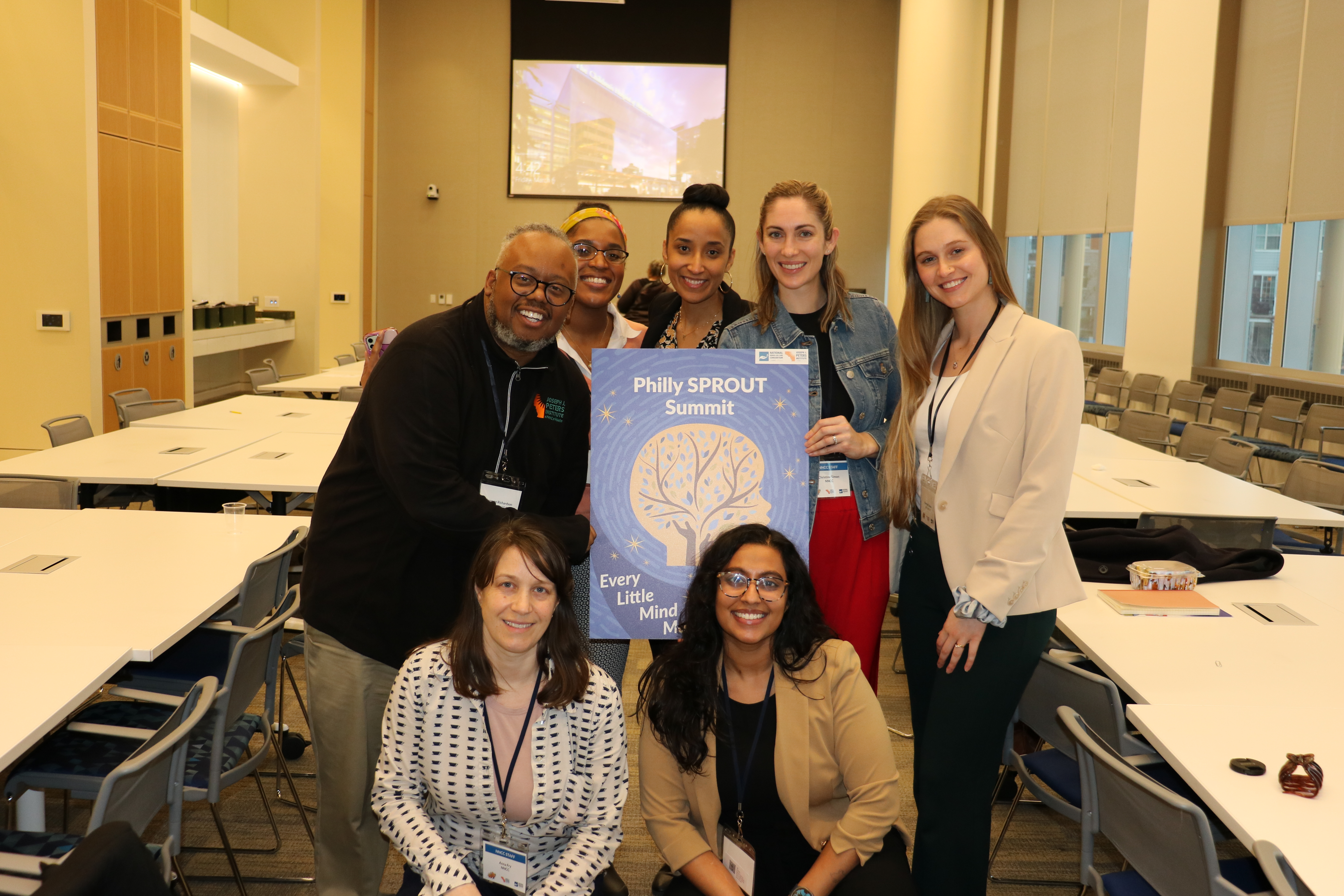
On March 6, NNCC hosted the Second Annual Philly SPROUT Summit: Every Little Mind Matters (ELMM), a full-day training focused on strengthening cross-sector collaboration to support the infant and early childhood mental health (IECMH) workforce. The event brought together professionals in early childhood education, child welfare, early intervention, home visiting, mental and behavioral health, and related sectors for professional development, resource sharing, and learning about best practices for supporting families across diverse sectors.

2026's summit featured a morning keynote, an interdisciplinary panel, an informal networking lunch with colleagues from the IECMH workforce; and a presentation by Sandhyaa Iyengar, MD, MPH, and Evelyn Brooks Ridgeway, Ph.D., In Her Shoes: Striving to Understand Neurodiversity in Young Girls.
Learn More About the Philly SPROUT Program

A step in the right direction! Earlier this week, the PA House passed House Bill 916. This legislation, sponsored by Rep. Jose Giral (D-Phila), mandates insurance-covered blood lead tests for pregnant people and children at both 12 and 24 months of age. It amends the 2022 Childhood Blood Lead Test Act, which merely recommends lead testing for these groups unless they are deemed high risk, and does not require insurance to help cover the costs.
The goal of early detection is to minimize exposure and prevent lead poisoning. According to Giral, “lead poisoning in children can lead to developmental delays, seizures, and nervous system damage. During pregnancy, lead poisoning raises the risk of miscarriage and can expose the developing baby to lead, leading to premature birth, underdeveloped organs, low birth weight, and future learning and developmental issues.”
Many people don’t show any signs or symptoms of lead exposure before lead poisoning, but no amount of exposure is safe for children, which is why early detection is so critical. This bill now goes to the Senate for consideration.

NNCC Executive Director Sarah Hexem was one of 19 honorees across 13 categories for the Philadelphia Business Journal's inaugural Healthcare Leadership Awards. Take a look at the interview from the Philadelphia Business Journal below, and you can read the article here.
Community Champion
Sarah Hexem’s work as managing director of community health services for Public Health Management Corp. centers around one goal: Ensuring that every person in Greater Philadelphia regardless of income, insurance status or ZIP code has access to high-quality, patient-centered care. Hexem oversees the Community Health Services portfolio, which includes PHMC Health, Health Promotion Services and two PHMC subsidiaries. Through PHMC’s network Hexem and her team provide care to 20,000 adults and children, regardless of their ability to pay. While navigating an environment of federal uncertainty and shifting priorities at the local and state levels, Hexem worked to mitigate the impact on frontline staff and vulnerable communities, who often bear the brunt of funding disruptions. During her time with PHMC, she has led the organization from annual revenue of $8 million to more than $18 million, expanding both its reach and capacity to care for the community.
Originally from: Devon
A word that best describes me: Collaborative
Education: B.A., Pomona College; J.D., Temple University
What drew me to healthcare: In law school, I wanted to advance social justice through public interest law and advocacy. I found the potential for systems level impact in the healthcare space, specifically within public health and community nursing. Finding ways to help people live their healthiest lives strengthens communities in ways that reach far beyond physical health and healthcare.
My most significant career accomplishment so far: Helping stabilize programming at PHMC's Public Health Campus on Cedar. The opportunity to bridge health and social services, bolster academic-practice-community partnerships, and invest in programs like medical respite has been an inspiring and critically important project that I get to support alongside HUP, CHOP, Penn Dental, and the Visiting Nurses.
What excites me about my field right now: Organizations are working more collaboratively in the current economic/political environment. Institutions that have historically competed are finding ways to align services and build capacity that can support the larger healthcare ecosystem.
How I’d describe my leadership style: I aim to be a transformational leader. I seek to optimize my colleagues' strengths and deeply value the perspective that diverse teams offer. I also challenge others to explore different options while retaining focus on shared vision, mission and values.
My advice to young or aspiring healthcare professionals and leaders: There are many "right" choices. Your decisions will shape your career, but you get to choose the narrative that ties them all together. There isn't one path to follow.
Favorite hobbies: Barre and parenting three strong-willed boys.
Favorite Philadelphia-area restaurant: Talula's Garden.
A healthy habit I have: Early bedtime.
A bucket list item: Writing young adult historical fiction.
Something I can’t do my job without: My colleagues.

Diabetes is a growing concern in the United States, affecting millions of lives and disproportionately impacting the most vulnerable communities. Within this landscape, residents of public housing, both young and aging, face unique challenges that contribute to alarming statistics.
Let's delve into three critical facts that shed light on the diabetes epidemic within these populations.
Studies show the prevalence of diabetes is significantly higher among individuals residing in public housing compared to the general population. This highlights the urgent need for targeted interventions. These populations are at greater risk of diabetes due to limited access to fresh, healthy, and affordable food. An estimated 23.5 million Americans live in these food deserts - areas without a grocery store selling fresh food. These factors, alongside the increased need for healthcare resources and training, contribute to the increased prevalence of diabetes.
Residents of public housing often face barriers to accessing proper healthcare, exacerbating the diabetes crisis. Regular medical check-ups and diabetes management require consistent access to healthcare facilities, which may be limited in these communities due to barriers such as access to transportation, funds, and childcare, to name a few. The lack of preventative care and education further compounds the issue, hindering efforts to mitigate the impact of diabetes.
Socioeconomic factors play a pivotal role in diabetes prevalence among public housing residents. Limited financial resources may lead to reliance on inexpensive, unhealthy food options, which can contribute to higher rates of obesity and diabetes. Additionally, stressors related to economic instability, housing insecurity, community violence, and lack of green spaces can elevate the risk of developing diabetes, emphasizing the interconnected nature of health and socioeconomic well-being.
Addressing the diabetes crisis among public housing residents necessitates a multifaceted approach. Comprehensive healthcare reform, increased health center training, access to education on healthy living, and community-based initiatives are crucial steps in combating this epidemic. By understanding and addressing these facts, we can work towards creating a healthier future for all, ensuring that no community is left behind in the fight against diabetes.
Always check our Upcoming Webinars page for the latest webinars. It’s your opportunity to learn, grow professionally, and earn free CNE credits.
More Resources:
National Nurse-Led Care Consortium annually serves about 800 families in Philadelphia through its two evidence-based nurse home visiting programs -- the Philadelphia Nurse-Family Partnership and Mabel Morris Family Home Visit Program. Through long-term relationships between nurses and families, clients are empowered to make decisions that will support the health and wellbeing of themselves and their children well into the future. Take a moment to watch this video, and explore how relationship-driven healthcare makes an impact on pregnant and parenting families in Philadelphia.