(Above) NFP Nurse Home Visitor Becca Lipstein with her clients.
Today, March 4, is International IBCLC Day! International Board Certified Lactation Consultant (IBCLC) Day celebrates the expertise, dedication, and advocacy that these lactation consultants bring to the larger community, and for NNCC specifically to our Home Visiting clients and the LATCH Cafe. The IBCLCs on our staff bring a wealth of knowledge on birthing, lactation, and postpartum care to every person they work with.
To celebrate this special day, we asked some of the IBCLCs on our staff two simple questions: what drew you to becoming an IBCLC, and what is your favorite part of your expertise. Take a look at some of their answers below:
I was drawn to become an IBCLC because I saw how impactful skilled lactation support can be, and I wanted to deepen my knowledge. I’m lucky to have gotten to observe many of my IBCLC colleagues before taking the plunge! - Becca Lipstein

Becoming a parent brings countless new experiences, questions, and challenges. While so much can be supported by family, friends, and community, breastfeeding felt to me like one of those things no parent should have to navigate alone. Watching parents find connection and encouragement in feeding support groups deeply inspired me to become an IBCLC. - Colleen Elwood.

My favorite part of this expertise is empowering families with both confidence and practical tools and witnessing the transformation that happens when feeding challenges become manageable. - Becca Lipstein

I love supporting a new parent to make the transformation from being overwhelmed and sometimes even in pain, when learning to nurse, to feeling empowered and excited to feed their baby in a way that feels good to them! The soft coos of a baby nursing are also heaven! - Katy Baker-Cohen
Learn More About our Lactation Support Group

This past week, May 6-12, was Nurses Week 2025! NNCC is proud to advance nurse-led care healthcare and work with countless nurses through our home visiting programs.
This week, we celebrated all of our nurses, and we want to celebrate with you too by sharing the perspectives of the most important people our nurses work with - their clients. Take some time and read what they're saying below!


This week, April 20-24, is National Home Visiting Week 2026! NNCC is home to three Home Visiting Programs, all focused on providing parents with support during the first few years of their child's growth and development.
This week, we are celebrating all of our Home Visitors by sharing feedback from the most important people in their practice - their clients. Take some time to see what our clients are saying about their Home Visitors below:


This week, May 6-12, is National Nurses Week 2026! NNCC is proud to be a nurse-led organization, and nurse-led care exists at the intersection of all the work that we do. It is our mission to advance nurse-led healthcare through policy, consultation, and programs to reduce health disparities and meet people’s primary care and wellness needs. Our Nurse Home Visiting programs work directly with the community, providing collaborative and compassionate care.
There is no better way to celebrate nurses than to hear from the people they impact the most - their clients. Take some time to read what our clients have to say about the Nurse Home Visitors they work with.


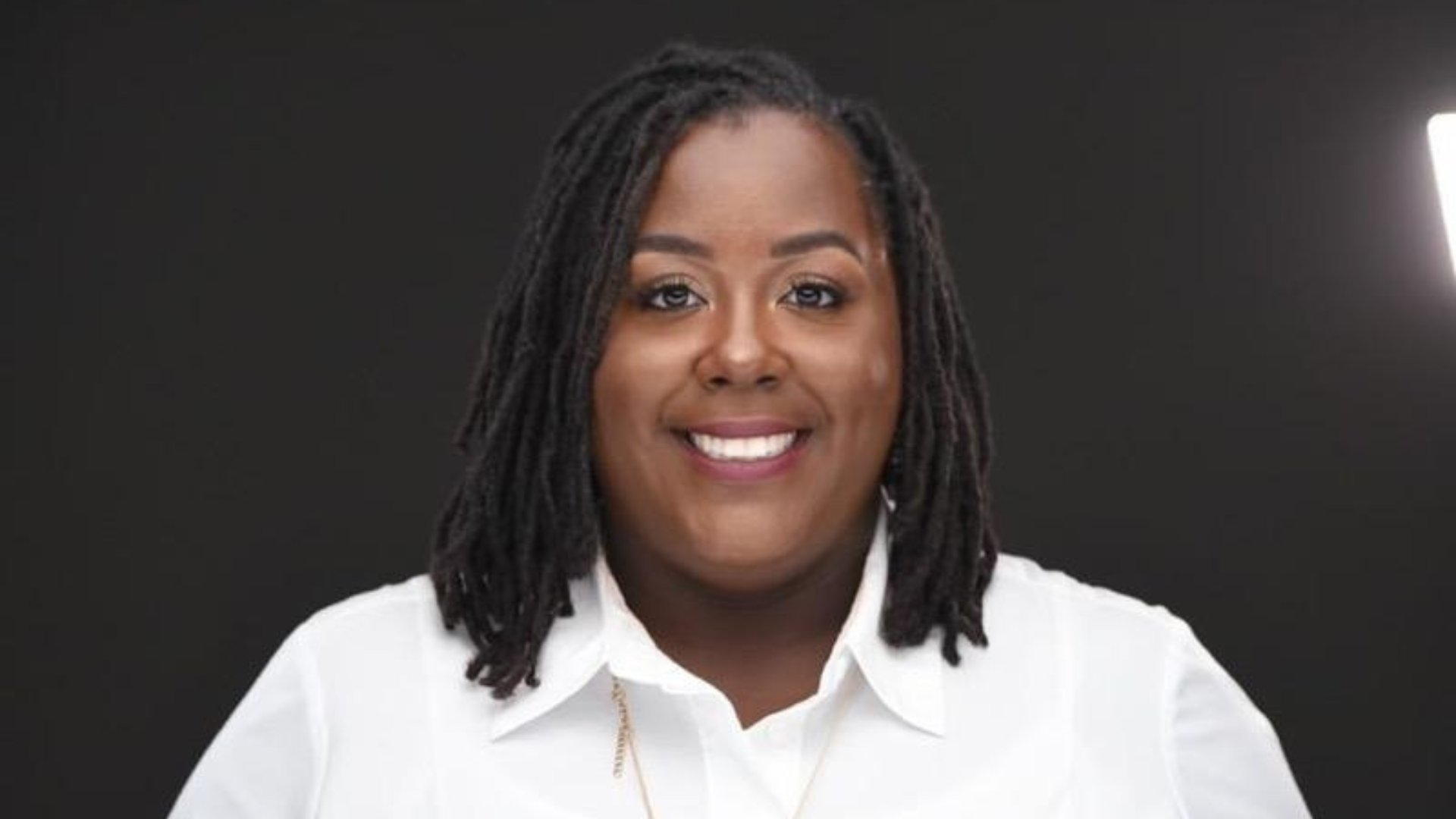
Shukriyyah Mitchell Hinton, Senior Director of Outreach and Advocacy here at NNCC, has been a public health nurse for 14 years. Throughout her nursing career, she has been an advocate for improved outcomes related to Black maternal mortality and morbidity. She is a founding member of the Maternal Wellness Village and sits on the Maternal Mortality Review Committee for the City of Philadelphia.
Shukriyyah wrote a testimony for the Committee of Public Health and Human Services for a resolution to look at solutions related to Black maternal mortality and morbidity. This week, April 11-17, is Black Maternal Health Week. This week seeks to address the causes of Black mortality and morbidity and amplify wellness for Black birthing people. Please spend some time reading through Shukriyyah's testimony, and subsequent recommendations on how to positively impact outcomes for birthing people.
Thank you for the opportunity to submit testimony on behalf of Black birthing people in the city of Philadelphia and throughout the United States. My name is Shukriyyah Mitchell Hinton, BSN, RN. I am a Public Health Nurse and Senior Director of Outreach and Advocacy with the National Nurse-Led Care Consortium (NNCC). In my role, I serve as a Nursing Supervisor for the Philadelphia Nurse-Family Partnership (Phila. NFP). Phila. NFP is a home visiting program of NNCC where specially trained Public Health Nurses support first-time birthing people and their families from pregnancy until their child turns two.
Having been with Phila. NFP for nearly 14 years, I have had the honor of supporting hundreds of first-time birthing people and their families. Intersecting with my identity as a Public Health Nurse is my identity as a Black mother of three children. Together, these identities have shaped my experiences and drawn me to the important work of advocating for Black birthing people. In 2009, I was a 27-year-old nursing student at the University of Pennsylvania who also happened to be pregnant with my first child. During my third trimester, I was diagnosed with preeclampsia. It was during this time that I learned of the startling statistics surrounding Black birthing people and their infants. I learned that my socio-economic status or my many years of education could not save me from the distressing maternal mortality and morbidity rates in the United States. I was terrified when I was induced at 37 weeks gestation. I remember feeling completely helpless and feeling like my life and the life of my unborn child was in someone else's hands. I was even more terrified when I was readmitted five days postpartum for an infection. I didn't have the knowledge that I have now, but I had the know-how to advocate for myself and seek answers to all the questions I had. This is not the case for all birthing people.
I am submitting written testimony today, because I know how vitally important addressing this issue is to the survival of Black families. I have seen firsthand what the celebration of a healthy birth can look like but also have seen the devastation that the loss of a birthing person causes. The death of a birthing person tears through families and forces a child to navigate the world without the joy of knowing their birthing parent. It robs a birthing person of experiencing the pleasure of parenthood. Birth should be a healthy part of life; birth should never cost a person their life. However, it is the reality for Black birthing people in the United States at far higher rates than their White counterparts. I do not think this is a problem without solutions. I am confident that together we can overcome the abysmal mortality and morbidity rates of Black birthing people.
I would like to propose three recommendations that have been shown to positively impact outcomes for birthing people:
Thank you again for the opportunity to testify on this important topic. I look forward to seeing the work that comes out of the Committee on Public Health and Human Services related to Black maternal mortality and morbidity.
Sincerely,
Shukriyyah Mitchell Hinton, BSN, RN
Senior Director, Outreach and Advocacy